OxyContin 20mg UK: Guide to Extended-Release Pain Relief
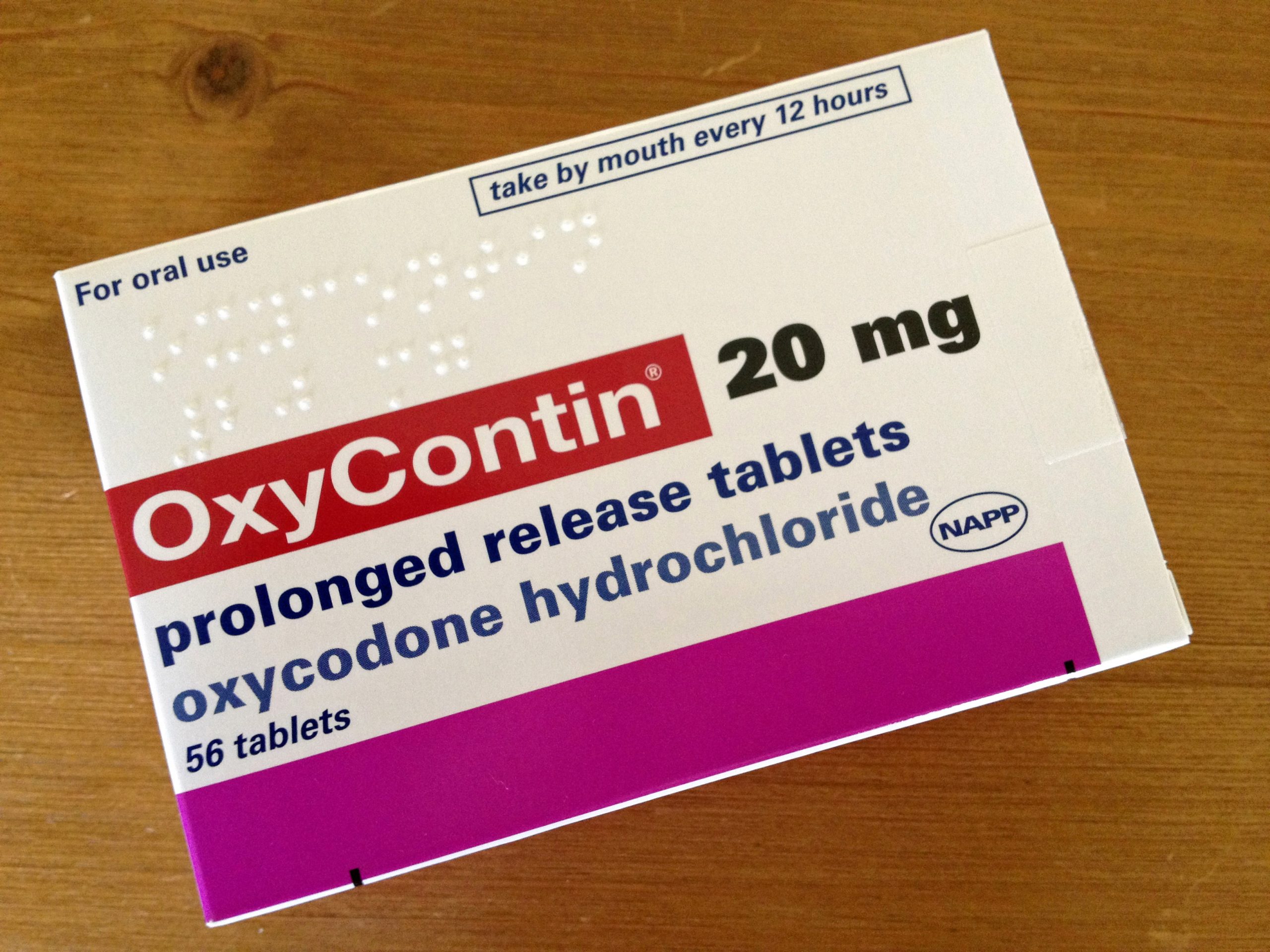
OxyContin 20mg is an extended-release prescription medicine containing oxycodone, an opioid analgesic used to manage severe pain when other treatment options may not provide adequate relief. Because it releases oxycodone gradually, healthcare professionals can use it as part of a longer-term pain-management plan for appropriate patients.
This guide explains what OxyContin 20mg is, how the extended-release formulation works, its potential benefits, side effects, and the precautions patients should understand before treatment.
What Is OxyContin 20mg?
OxyContin contains oxycodone, which acts on opioid receptors in the central nervous system to reduce the perception of pain. Unlike immediate-release oxycodone products, OxyContin uses a modified-release formulation designed to deliver the medicine gradually over an extended period.
Healthcare professionals may prescribe extended-release oxycodone for patients who require continuous management of severe, persistent pain. The decision depends on the individual’s condition, previous opioid exposure, and overall medical history.
OxyContin 20mg Product Specifications
- Active ingredient: Oxycodone hydrochloride
- Strength: 20mg
- Formulation: Extended-release tablet
- Medicine type: Opioid analgesic
- Availability: Prescription medicine
- Primary use: Management of severe, persistent pain
- Administration: Oral, exactly as prescribed
- Important consideration: Risk of dependence, misuse and respiratory depression
If you are researching other medicines and treatments, you can also browse the wider MedTrust UK product range for additional information.
How Does OxyContin Work?
OxyContin works by binding to opioid receptors in the brain and spinal cord. This action changes how the nervous system processes pain signals and can provide sustained pain relief.
The extended-release formulation gradually releases oxycodone rather than delivering the entire dose immediately. As a result, patients may take it at longer intervals than some immediate-release opioid medicines.
However, extended-release opioids require careful use. Patients should follow their prescription closely and never alter the dose without advice from their doctor or pharmacist.
How to Take OxyContin 20mg Safely
Take OxyContin exactly as your healthcare professional prescribes. Swallow extended-release tablets whole with water unless your product information specifically provides different instructions.
Do not crush, chew, dissolve, or break modified-release tablets. Altering the tablet can release oxycodone too quickly and may increase the risk of a potentially dangerous overdose.
Your doctor will determine the appropriate dose according to your pain, previous opioid treatment, medical history, and response to therapy.
If you have questions about your prescribed treatment, speak with your pharmacist or healthcare professional rather than changing the dose yourself.
Potential Side Effects
Like other opioid medicines, OxyContin can cause side effects. Common effects may include:
- Drowsiness
- Dizziness
- Nausea or vomiting
- Constipation
- Headache
- Itching
These effects may become more noticeable when treatment begins or when your healthcare professional changes the dose.
Serious Side Effects
Oxycodone can sometimes cause serious complications, particularly when taken incorrectly or combined with other substances that cause sedation.
Seek urgent medical attention if you experience:
- Slow, shallow, or difficult breathing
- Severe or unusual drowsiness
- Confusion or loss of consciousness
- Symptoms of a serious allergic reaction
Respiratory depression is one of the most serious risks associated with opioid medicines. Therefore, patients should never take more OxyContin than prescribed.
Dependence and Long-Term Use
OxyContin can cause tolerance and physical dependence, particularly when used for an extended period. Some patients may also develop opioid use disorder.
For this reason, regular users should not stop treatment suddenly without speaking with their prescriber. Your healthcare professional can decide whether you need a gradual reduction in dose.
Furthermore, keep prescription opioids in a secure place and never share them with another person.
Important Safety Precautions
Before starting OxyContin, tell your doctor or pharmacist about all medicines and supplements you currently use.
Some medicines can increase the sedative effects of oxycodone. In particular, combining opioids with alcohol, benzodiazepines, sleeping medicines, or other central nervous system depressants can increase the risk of severe sedation and breathing difficulties.
Your healthcare professional may also need to take extra precautions if you have breathing problems, liver or kidney conditions, sleep-related breathing disorders, or a history of substance dependence.
For related medicines and other products, visit the MedTrust UK shop to explore the available range.
OxyContin 20mg in the UK
OxyContin is a prescription opioid and should only be supplied through appropriate regulated healthcare channels in the UK. A qualified healthcare professional should assess your condition before prescribing treatment.
Patients should also be cautious of websites that advertise prescription opioids without appropriate medical oversight. Purchasing medicines from unregulated sources can expose you to counterfeit, contaminated, or incorrectly dosed products.
Frequently Asked Questions
Is OxyContin 20mg a strong painkiller?
Yes. OxyContin contains oxycodone, a potent opioid analgesic intended for severe pain requiring ongoing management under medical supervision.
How long does OxyContin work?
OxyContin uses an extended-release formulation designed to provide prolonged pain control. The exact duration depends on the formulation, individual response, and prescribed treatment schedule.
Can OxyContin cause dependence?
Yes. Oxycodone can cause tolerance, physical dependence, and addiction. Follow your prescription carefully and discuss any concerns with your healthcare professional.
Can I take OxyContin with alcohol?
Alcohol can increase the sedative and respiratory-depressant effects of oxycodone. Avoid combining them unless a healthcare professional has specifically advised you otherwise.
Can I stop taking OxyContin suddenly?
If you have been taking OxyContin regularly, stopping suddenly can cause withdrawal symptoms. Speak with your prescriber before discontinuing treatment so they can advise you on the safest approach.
Final Thoughts
OxyContin 20mg provides extended-release oxycodone for patients who require sustained management of severe pain. Its modified-release design can support consistent pain control, but the medicine also carries important risks associated with opioid treatment.
Use OxyContin only according to your prescription, avoid potentially dangerous combinations, and contact your healthcare professional if you experience troublesome or serious side effects.