
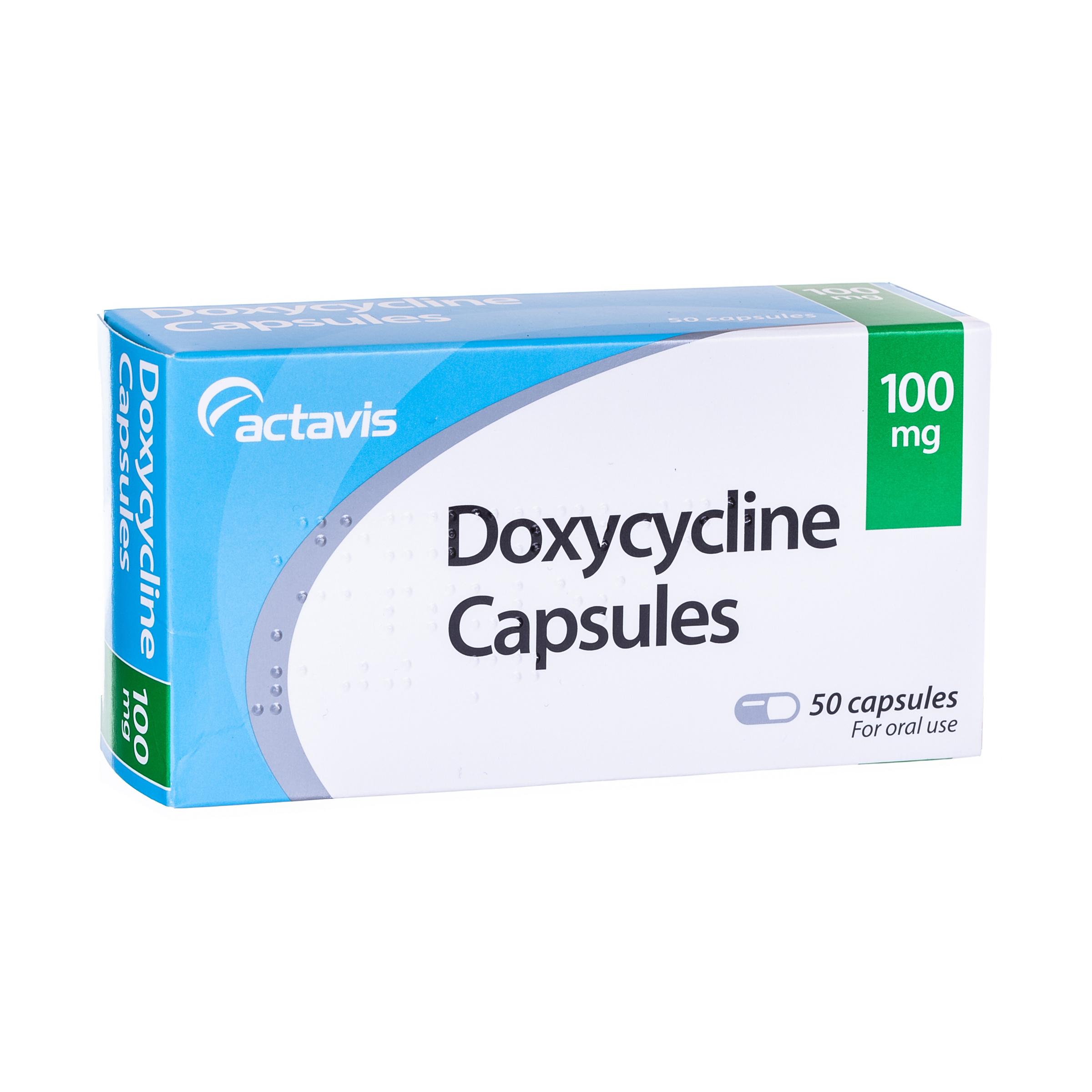


Doxycycline: Uses, Dosage and Safety Information in the UK
Doxycycline uses dosage UK is an important topic for people who want to understand this prescription antibiotic. Doxycycline belongs to the tetracycline family and can treat several types of bacterial infection.
Healthcare professionals may prescribe doxycycline for certain respiratory, urinary and sexually transmitted infections. Doctors may also use it for acne and, in some circumstances, malaria prevention. (NHS doxycycline information)
What Is Doxycycline?
Doxycycline is a broad-spectrum antibiotic that belongs to the tetracycline class. It works against a range of bacteria and other susceptible microorganisms.
In the UK, doxycycline is a prescription-only medicine. The correct treatment depends on the type of infection, the patient’s age and other individual factors.
What Is Doxycycline Used For?
Doctors may prescribe doxycycline for a variety of bacterial infections. Depending on the specific medicine and clinical situation, uses can include:
- Respiratory tract infections
- Certain urinary tract infections
- Some sexually transmitted infections
- Certain eye infections
- Acne
- Malaria prevention in appropriate travel situations
The NHS lists doxycycline as a treatment for several bacterial infections, including some chest infections, urinary tract infections, sexually transmitted infections and gum infections. It can also treat acne and help prevent malaria.
For more information, visit the NHS doxycycline guide.
How Does Doxycycline Work?
Doxycycline works by interfering with bacterial protein production. This prevents susceptible bacteria from growing and multiplying.
As a result, the immune system can deal with the remaining bacteria more effectively. Doxycycline does not work against viral infections such as ordinary colds and flu.
The UK product information confirms that doxycycline acts against a wide range of gram-positive and gram-negative bacteria and other susceptible microorganisms.
Doxycycline Uses and Dosage
Doxycycline uses dosage UK depends on the condition being treated. Different infections may require different doses and treatment durations.
For example, current UK product information for 100mg doxycycline capsules gives a usual adult treatment schedule of 200mg on the first day followed by 100mg daily for many acute infections. More severe infections may require 200mg daily throughout treatment. Specific infections can require different regimens.
Because treatment varies, do not use a dosage from another person’s prescription. Instead, follow the instructions provided by your doctor, pharmacist or medicine leaflet.
How to Take Doxycycline
Take doxycycline exactly as prescribed. The NHS recommends swallowing tablets or capsules whole with plenty of water while sitting or standing. You should also avoid lying down for at least 30 minutes after taking the medicine because this can help reduce irritation to the oesophagus.
For safer use:
- Take the medicine at the same time each day where possible.
- Follow the directions on your prescription.
- Swallow capsules or tablets with plenty of water.
- Stay upright for at least 30 minutes after taking them.
- Complete the prescribed course unless your healthcare professional tells you otherwise.
- Do not take two doses together to make up for a missed dose.
Whether you should take doxycycline with food can depend on the particular product and why you are taking it. Therefore, check your medicine leaflet or ask your pharmacist.
Doxycycline for Chlamydia and Other Infections
Doxycycline can treat certain sexually transmitted infections, including some infections caused by Chlamydia trachomatis. However, the dose and duration depend on the diagnosis and the specific clinical circumstances.
This means you should not use a standard chlamydia dosing schedule as a general guide for every doxycycline prescription.
For sexual health information, you can also visit the NHS sexual health information.
Possible Side Effects
Like all medicines, doxycycline can cause side effects, although not everyone experiences them.
Common side effects can include:
- Nausea
- Vomiting
- Headaches
- Skin rash
Some people can also develop increased sensitivity to sunlight. Therefore, take appropriate precautions when spending time outdoors and follow the advice supplied with your medicine.
Speak with a doctor or pharmacist if side effects become troublesome or do not go away.
Serious Side Effects
Serious reactions are uncommon, but they can occur.
Seek urgent medical advice if you develop:
- Difficulty breathing
- Swelling of the lips, mouth, tongue or throat
- A severe allergic reaction
- Severe skin reactions
- Bloody diarrhoea or significant abdominal pain
The NHS identifies severe allergic reactions, serious bowel inflammation and severe skin sensitivity among the possible serious reactions associated with doxycycline.
Who Should Not Take Doxycycline?
Doxycycline is not suitable for everyone. Before starting treatment, tell your doctor if you have allergies, other medical conditions or take other medicines.
Particular consideration may apply if you:
- Have previously had an allergic reaction to doxycycline or another tetracycline
- Have liver or kidney problems
- Are pregnant
- Are breastfeeding
- Have lupus
- Have myasthenia gravis
- Take medicines or supplements that may interact with doxycycline
The NHS advises discussing pregnancy, breastfeeding and existing medical conditions with a healthcare professional before taking doxycycline.
Doxycycline and Other Medicines
Some medicines and supplements can affect doxycycline or interfere with its absorption.
Tell your doctor or pharmacist about all the medicines, vitamins and supplements you take. Particular care may be needed with products containing:
- Iron
- Zinc
- Antacids
- Certain indigestion medicines
- Some anticoagulants
- Certain acne treatments
Your healthcare professional can check for interactions before you begin treatment.
For detailed prescribing information, see the Doxycycline 100mg Capsules information on the electronic Medicines Compendium.
Doxycycline and Food, Drink and Alcohol
You can generally eat while taking doxycycline, but the exact instructions can depend on the product and treatment.
The NHS advises avoiding alcohol because it can affect how doxycycline works. Always follow the instructions supplied with your medicine.
Doxycycline in the UK
Doxycycline is a prescription-only antibiotic in the UK. A healthcare professional should determine whether an antibiotic is appropriate and select the correct treatment for the infection.
Antibiotics do not treat viral infections, so you should not use doxycycline without an appropriate diagnosis or prescription.
For further information about responsible antibiotic use, visit NHS antibiotic information.
Doxycycline and Antibiotic Resistance
Using antibiotics appropriately helps reduce the development of antibiotic resistance. Therefore, only take doxycycline when a healthcare professional has prescribed it for you.
Do not share antibiotics with someone else, and do not save leftover antibiotics for future illnesses.
Where appropriate, a relevant MedTrust internal link can be included here to another verified antibiotic or infection-treatment page on MedTrust UK.
Frequently Asked Questions
How long does doxycycline take to work?
The timing depends on the infection being treated and the individual response. Continue taking doxycycline according to your prescription, even if you begin to feel better, unless a healthcare professional advises otherwise.
Can doxycycline treat a cold or flu?
No. Doxycycline is an antibiotic, so it does not treat viral infections such as ordinary colds and flu.
Can doxycycline cause sun sensitivity?
Yes. Doxycycline can make your skin more sensitive to sunlight. Take appropriate precautions and seek advice if you develop a significant skin reaction.
What should I do if I miss a dose?
Take the missed dose when you remember unless it is almost time for your next dose. In that situation, skip the missed dose and continue with your normal schedule. Do not take two doses together.
Summary
Doxycycline is a prescription-only tetracycline antibiotic used to treat a range of bacterial infections. Doctors may also prescribe it for acne and malaria prevention in appropriate circumstances.
The correct dose and treatment duration depend on the condition being treated. Therefore, always follow your prescription and speak with a healthcare professional if you have questions about your medicine.
For reliable patient information, visit the NHS doxycycline page.

Reviews
There are no reviews yet.