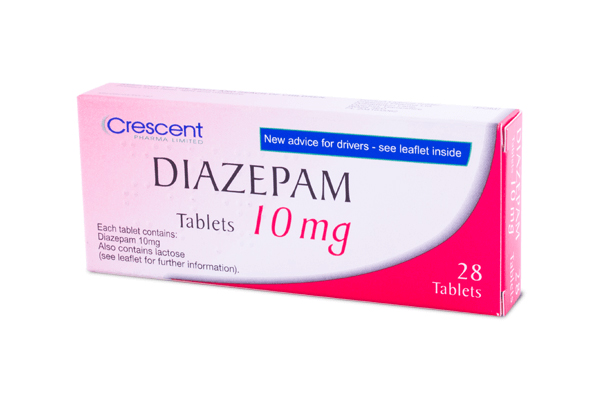
What Is Diazepam Crescent 10mg?
Diazepam Crescent 10mg is a prescription medicine containing diazepam, a benzodiazepine that produces calming and muscle-relaxing effects. Healthcare professionals may prescribe diazepam for short-term management of severe anxiety, muscle spasms, and certain symptoms associated with alcohol withdrawal.
The medicine works by enhancing the activity of gamma-aminobutyric acid (GABA) in the brain. Consequently, it reduces excessive activity in the nervous system and produces a calming effect.
For authoritative information about diazepam, see the NHS guide to diazepam.
What Is Diazepam Crescent 10mg Used For?
Doctors may prescribe diazepam for several conditions, depending on the patient’s individual circumstances.
Anxiety
Diazepam can provide short-term relief from severe anxiety when a healthcare professional considers benzodiazepine treatment appropriate. Because the medicine can cause dependence, doctors generally avoid prolonged use unless there is a specific clinical reason.
Muscle Spasms
Diazepam has muscle-relaxant properties. Therefore, healthcare professionals may prescribe it for certain muscle spasms or muscle-related conditions.
Alcohol Withdrawal
Doctors may also use diazepam as part of medically supervised treatment for alcohol withdrawal symptoms. In this situation, treatment requires appropriate clinical monitoring.
Other Medical Uses
Healthcare professionals may use diazepam in other circumstances, including certain seizure-related situations or before some medical procedures. The appropriate use depends on the patient’s condition and medical assessment.
Key Features of Diazepam Crescent 10mg
- Calming Effect
Diazepam increases the effects of GABA in the central nervous system. As a result, it can reduce excessive nervous activity and promote relaxation. - Muscle-Relaxing Properties
In addition to its calming effects, diazepam can reduce muscle spasms. This makes it useful for selected muscle-related conditions. - Short-Term Treatment
Diazepam is generally intended for short-term treatment because regular or prolonged use can lead to tolerance, dependence, and withdrawal symptoms.
How to Take Diazepam Crescent 10mg
Take Diazepam Crescent 10mg exactly as prescribed by your doctor or pharmacist. Your healthcare professional will determine the appropriate dose based on your condition, age, response to treatment, and other medicines you may take.
Swallow the tablet with water. Do not increase the dose or take diazepam more frequently than prescribed.
In addition:
- Take the medicine only as directed.
- Do not share diazepam with another person.
- Avoid alcohol while taking diazepam.
- Do not drive or operate machinery if the medicine makes you sleepy or affects your concentration.
- Tell your doctor about all medicines you currently take.
For further information, consult the NHS diazepam guidance.
Important Safety Information
Diazepam can cause significant drowsiness and reduced alertness. These effects can become stronger when you combine diazepam with alcohol, opioids, or other medicines that cause sedation.
For this reason, tell your healthcare professional about all prescription medicines, over-the-counter products, and supplements you use.
You should also inform your doctor if you have a history of breathing problems, liver problems, muscle weakness, or problems with alcohol or drug dependence.
Diazepam and Dependence
One of the most important considerations with diazepam is the potential for dependence.
Regular use can cause the body to become accustomed to the medicine. Stopping treatment suddenly after prolonged use may then cause withdrawal symptoms.
Therefore, never increase the dose yourself or stop regular treatment suddenly without medical advice. Your doctor can determine whether a gradual reduction is appropriate.
Possible Side Effects
Like other medicines, diazepam can cause side effects. Common effects may include:
- Drowsiness
- Tiredness
- Muscle weakness
- Dizziness
- Reduced coordination
- Difficulty concentrating
These effects can affect your ability to drive or perform tasks that require alertness.
Seek urgent medical attention if you experience severe breathing difficulties, extreme sedation, swelling of the face or throat, or other signs of a serious allergic reaction.
Diazepam and Alcohol
Avoid alcohol while taking diazepam. Alcohol can intensify the medicine’s sedative effects and may increase the risk of excessive drowsiness and breathing problems.
The combination can therefore be dangerous. Always discuss alcohol use with your healthcare professional if you have concerns about your treatment.
Diazepam and Other Medicines
Some medicines can interact with diazepam. In particular, combining diazepam with opioid medicines or other central nervous system depressants can increase sedation and the risk of serious breathing problems.
Before starting treatment, give your doctor or pharmacist a complete list of your medicines.
For related medicine information, you can also explore our internal resources for Bensedin Diazepam 10mg and Codeine Phosphate 30mg.
Frequently Asked Questions
What is Diazepam Crescent 10mg used for?
Diazepam may be prescribed for short-term treatment of severe anxiety, muscle spasms, and certain symptoms associated with alcohol withdrawal. Doctors may also use it for other specific medical indications.
Is Diazepam Crescent 10mg prescription-only?
Yes. Diazepam is a prescription medicine and should only be used under the supervision of an appropriately qualified healthcare professional.
Can Diazepam cause dependence?
Yes. Regular or prolonged use can lead to physical or psychological dependence. Follow your prescribed treatment plan and never change the dose without medical advice.
Can I drink alcohol while taking Diazepam?
No. Alcohol can increase the sedative effects of diazepam and may increase the risk of serious adverse effects.
Can I drive after taking Diazepam?
Diazepam can cause drowsiness, dizziness, and impaired coordination. Do not drive or operate machinery if you are affected by the medicine. Follow your healthcare professional’s advice regarding driving.
Conclusion
Diazepam Crescent 10mg is a prescription benzodiazepine that can help manage conditions such as severe anxiety and muscle spasms when a healthcare professional considers it appropriate. Its effects on the central nervous system can provide useful short-term symptom relief.
However, diazepam requires careful use because regular treatment can lead to dependence and withdrawal symptoms. Always follow your prescription, avoid alcohol, and discuss potential interactions with your doctor or pharmacist.
If symptoms continue or worsen, seek professional medical advice rather than changing your dose yourself.