
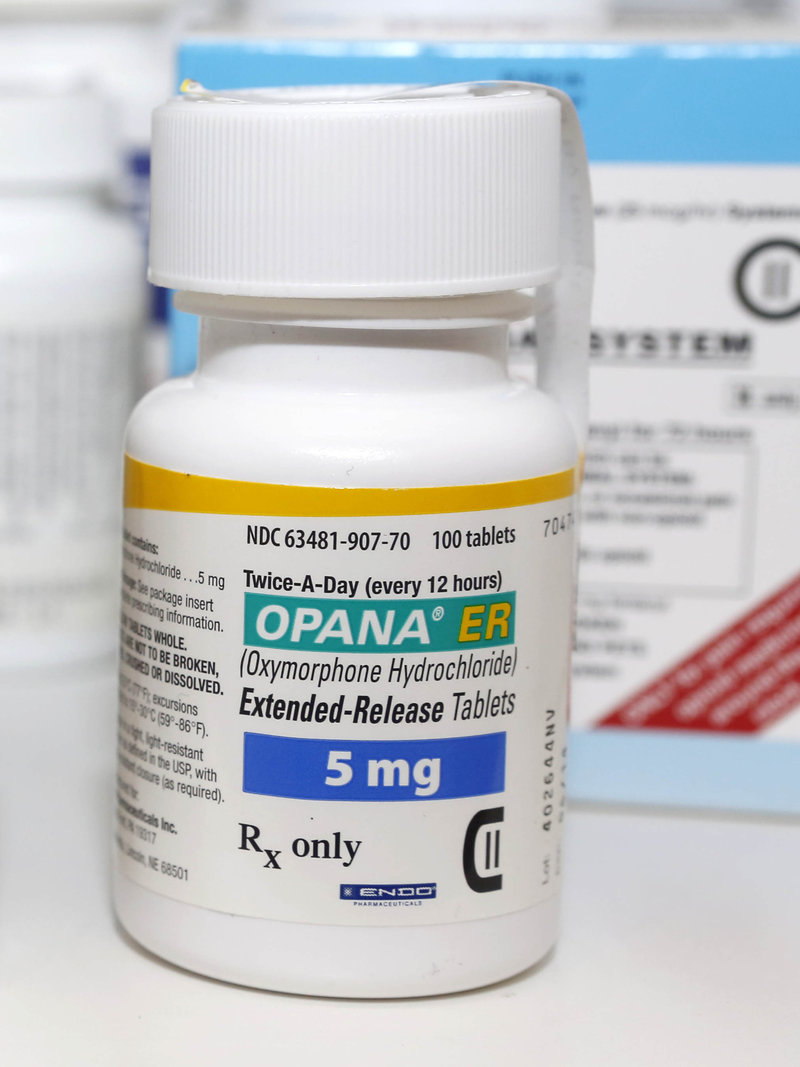
Opana 5mg UK: Oxymorphone Uses, Safety and Important Information
Opana 5mg UK contains oxymorphone hydrochloride, a potent opioid analgesic. Opana tablets have been used in some settings to manage moderate to severe pain when an opioid is considered appropriate.
Because oxymorphone is a strong opioid, treatment requires careful medical supervision. It can cause drowsiness, constipation, respiratory depression, tolerance and dependence. Therefore, patients should take it only according to specific medical instructions.
The information below provides general information about oxymorphone and Opana 5mg. It does not replace advice from a doctor or pharmacist.
What Is Opana 5mg?
Opana is a brand associated with oxymorphone, a semi-synthetic opioid analgesic.
Oxymorphone works primarily by activating opioid receptors in the central nervous system. This changes how the brain and body perceive and respond to pain.
Historical US prescribing information lists Opana immediate-release tablets in 5mg and 10mg strengths and describes the medicine as an opioid agonist for moderate to severe acute pain where opioid treatment is appropriate.
However, prescribing information can differ between countries. Therefore, UK patients should check the current UK regulatory and prescribing status with a qualified healthcare professional.
What Is Oxymorphone Used For?
Oxymorphone is a potent opioid analgesic.
Healthcare professionals may consider opioid treatment when pain is sufficiently severe to require an opioid and other treatment options do not provide adequate relief.
The decision to use a strong opioid depends on several factors, including:
- The cause and severity of pain
- Previous pain treatment
- Previous opioid exposure
- Other medicines being taken
- Kidney and liver function
- Respiratory health
- Individual risk of dependence or misuse
Your prescriber should determine whether an opioid is appropriate for you.
How Does Opana Work?
Oxymorphone binds to opioid receptors in the central nervous system.
This reduces the transmission and perception of pain signals. At the same time, however, opioid activity can affect other body systems.
For example, opioids can cause:
- Sleepiness
- Reduced alertness
- Slower breathing
- Constipation
- Nausea
- Changes in blood pressure
Consequently, patients need to use oxymorphone carefully and follow their prescribed treatment plan.
Opana 5mg Dosage
Do not use a general online dosage as a substitute for an individual prescription.
The appropriate opioid dose depends on factors such as previous opioid use, age, medical conditions and response to treatment.
The historical US Opana label states that dosing should be individualised and that 5mg could be used as an initial dose in certain patients, including some older patients and those with renal or hepatic impairment.
This information should not be interpreted as a recommendation for self-treatment.
If a healthcare professional prescribes oxymorphone, follow the exact dose and schedule provided.
How to Take Opana
Take oxymorphone only as directed by your prescriber.
For safer use:
- Follow the prescribed dose.
- Do not take extra doses because your pain has increased.
- Do not share the medicine with another person.
- Do not combine it with other sedating medicines unless your prescriber has advised you to do so.
- Ask your pharmacist what to do if you miss a dose.
- Never change your treatment without medical advice.
If you have concerns about the effectiveness of your pain treatment, speak with your doctor rather than increasing the dose yourself.
Opana 5mg Side Effects
Like other opioid medicines, oxymorphone can cause side effects.
Possible effects include:
- Drowsiness
- Dizziness
- Nausea
- Vomiting
- Constipation
- Headache
- Itching
- Reduced alertness
Some effects may become more noticeable when treatment begins or when the dose changes.
If side effects interfere with normal activities, speak with your doctor or pharmacist.
Serious Side Effects
Opioids can cause respiratory depression, which means breathing can become dangerously slow or shallow.
Seek emergency medical assistance if someone taking an opioid develops:
- Very slow or difficult breathing
- Extreme sleepiness
- Difficulty waking
- Loss of consciousness
- Blue or grey lips or skin
The risk can increase when opioids are combined with other medicines or substances that depress the central nervous system.
The Opana prescribing information specifically warns about respiratory depression and the risks associated with misuse and abuse.
Opana and Dependence
Regular opioid use can lead to tolerance and physical dependence. Some people can also develop opioid addiction.
UK safety guidance highlights the risks of tolerance, dependence and addiction associated with opioid medicines.
For this reason, use opioids only as prescribed.
If you have taken an opioid regularly, do not stop suddenly without medical advice. A healthcare professional can determine whether you need a gradual reduction.
Opana and Other Medicines
Tell your doctor or pharmacist about every medicine you take.
This includes:
- Other opioid painkillers
- Benzodiazepines
- Sleeping medicines
- Medicines that cause drowsiness
- Some medicines for anxiety
- Certain antidepressants
- Alcohol or other substances that can cause sedation
Combining opioids with other central nervous system depressants can increase sedation and respiratory risks.
For information about another prescription pain medicine, you can read our Co-codamol 30/500mg guide.
Opana and Alcohol
Avoid combining opioid medicines with alcohol unless your healthcare professional has specifically advised you otherwise.
Alcohol can increase sedation and may worsen the effects of opioids on breathing and alertness.
If you are unsure whether alcohol is safe with your prescribed medicines, ask your pharmacist or doctor.
Opana and Driving
Oxymorphone can cause drowsiness, dizziness and reduced alertness.
These effects may make driving or operating machinery unsafe.
Do not drive if you feel sleepy, dizzy, impaired or unable to concentrate properly.
Opana 5mg in the UK
Oxymorphone is subject to strict controlled-drug regulation in the UK. The UK government’s current controlled-drug list classifies oxymorphone as a Class A controlled drug.
Therefore, patients should not treat Opana 5mg as an ordinary over-the-counter painkiller.
If you are considering oxymorphone for pain, discuss your symptoms and treatment options with an appropriately qualified UK healthcare professional.
For general information about UK medicine classifications and regulatory requirements, see the MHRA guidance on medicines.
Buying Prescription Medicines Safely
When dealing with prescription or controlled medicines, it is important to use legitimate and appropriately regulated healthcare channels.
Do not purchase opioid medicines from unverified websites or sellers that do not require appropriate medical oversight.
The safest approach is to obtain treatment through a qualified healthcare professional and a legitimate pharmacy.
You can also browse the MedTrust shop to view other products available on the website.
Opana 5mg Product Specifications
| Specification | Details |
|---|---|
| Product | Opana |
| Active ingredient | Oxymorphone hydrochloride |
| Strength | 5mg |
| Dosage form | Tablet |
| Medicine class | Opioid analgesic |
| Route | Oral |
| Main therapeutic role | Management of severe pain in appropriate clinical settings |
| Key safety concerns | Respiratory depression, misuse, dependence and overdose |
| UK status | Oxymorphone is a controlled drug in the UK |
Frequently Asked Questions
What is Opana 5mg?
Opana is a brand associated with oxymorphone, a potent opioid analgesic. Historical US prescribing information lists a 5mg tablet strength and an indication for moderate to severe acute pain where opioid treatment is appropriate.
What is the active ingredient in Opana?
The active ingredient is oxymorphone hydrochloride.
Is Opana 5mg an opioid?
Yes. Oxymorphone is an opioid analgesic. Like other strong opioids, it can cause drowsiness, respiratory depression, tolerance and dependence.
Can Opana cause addiction?
Yes. Repeated opioid use can lead to tolerance and physical dependence, and some patients can develop addiction. UK guidance specifically highlights these risks with opioid medicines.
Can I drink alcohol while taking Opana?
Alcohol can increase opioid-related sedation and other risks. Speak with your doctor or pharmacist about alcohol before combining it with an opioid medicine.
Can Opana affect driving?
Yes. Oxymorphone can impair alertness and reaction time. Do not drive if the medicine makes you sleepy, dizzy or otherwise impaired.
What should I do if I think I have taken too much?
An opioid overdose can cause dangerous respiratory depression. If you suspect an overdose or the person is difficult to wake or breathing abnormally, seek emergency medical assistance immediately.
Summary
Opana 5mg contains oxymorphone hydrochloride, a potent opioid analgesic. It has been used for the management of moderate to severe pain in appropriate clinical settings.
However, oxymorphone carries important risks, including respiratory depression, misuse, tolerance, dependence and overdose. The UK government classifies oxymorphone as a Class A controlled drug, so patients should use it only within appropriate medical and regulatory frameworks.
If you have questions about strong opioid pain treatment, speak with your doctor or pharmacist. They can assess your condition and recommend the safest appropriate treatment.

Bella –
good service