
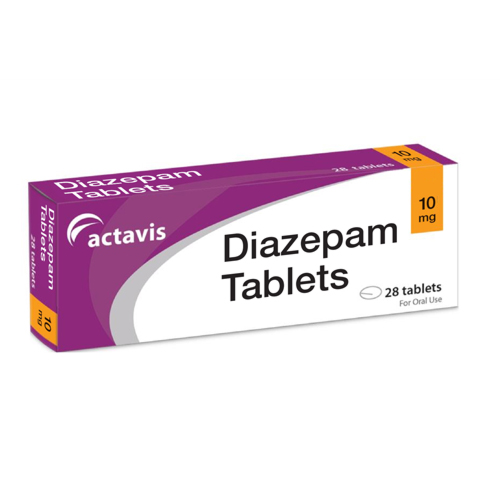
Diazepam Actavis 10mg UK: Uses, Dosage and Safety Information
Diazepam Actavis 10mg UK contains diazepam, a benzodiazepine medicine that affects the central nervous system. Doctors may prescribe diazepam for anxiety, muscle spasms and certain seizure disorders.
Diazepam can cause drowsiness, impaired coordination and dependence. Therefore, patients should use Diazepam Actavis 10mg exactly as prescribed and should not change their dose without medical advice.
For reliable information about diazepam, patients can consult the NHS diazepam guide.
What Is Diazepam Actavis 10mg?
Diazepam Actavis 10mg is a tablet containing 10mg of diazepam. Diazepam belongs to a group of medicines called benzodiazepines.
The medicine enhances the activity of gamma-aminobutyric acid (GABA) in the brain. As a result, it reduces excessive activity in the nervous system and can produce calming, muscle-relaxing and anticonvulsant effects.
Doctors may prescribe diazepam for several conditions, including:
- Anxiety and severe anxiety symptoms
- Muscle spasms and muscle stiffness
- Certain seizure disorders
- Alcohol withdrawal symptoms
- Short-term treatment before some medical procedures
However, the appropriate use depends on the patient’s medical condition and individual circumstances.
What Is Diazepam Used For?
Diazepam has several recognised medical uses.
Anxiety
Doctors may prescribe diazepam for severe anxiety when they consider a benzodiazepine appropriate. Because diazepam can cause dependence, healthcare professionals generally use it for the shortest appropriate period.
Muscle Spasms
Diazepam can relax skeletal muscles. Therefore, doctors may use it for muscle spasms or muscle stiffness in appropriate patients.
Seizures
Diazepam has anticonvulsant properties. Consequently, healthcare professionals may use it in certain seizure-related situations.
Alcohol Withdrawal
Doctors may also use diazepam as part of medically supervised treatment for alcohol withdrawal. The treatment requires appropriate monitoring because benzodiazepines can cause sedation and dependence.
How Does Diazepam Work?
Diazepam increases the effects of GABA, an inhibitory neurotransmitter in the central nervous system.
GABA helps reduce excessive nerve activity. Therefore, increasing its effects can produce several responses, including:
- Reduced anxiety
- Muscle relaxation
- Sedation
- Reduced seizure activity
The effects can also make a person feel sleepy or less alert. For this reason, patients should understand how diazepam affects them before driving or performing activities that require concentration.
Diazepam Actavis 10mg Dosage
Your doctor should determine the appropriate diazepam dose according to your condition, age, health and response to treatment.
The dosage can differ considerably depending on why you take diazepam. For example, treatment for anxiety may involve a different regimen from treatment for muscle spasms or another medical condition.
Therefore:
- Follow the exact dose on your prescription.
- Do not increase your dose because symptoms have not improved.
- Do not take diazepam more frequently than prescribed.
- Do not share your medicine with another person.
- Speak with your doctor before changing or stopping treatment.
The NHS also advises patients to follow their prescription instructions and notes that doctors generally prescribe diazepam for a short period because of the risk of dependence. (NHS)
How to Take Diazepam Actavis 10mg
Take Diazepam Actavis 10mg by mouth according to your prescription.
Swallow the tablet with water. You can usually take diazepam with or without food unless your healthcare professional gives you different instructions.
Most importantly, follow the instructions provided with your medicine.
If you forget a dose, check the instructions supplied with your medicine or ask your pharmacist what to do. Do not automatically take an extra tablet to compensate for a missed dose.
Diazepam Actavis 10mg Side Effects
Diazepam can cause side effects, particularly when treatment starts or when the dose changes.
Common effects can include:
- Drowsiness
- Tiredness
- Muscle weakness
- Dizziness
- Reduced coordination
- Difficulty concentrating
These effects can affect activities that require alertness. Therefore, do not drive or operate machinery if diazepam makes you sleepy, dizzy or otherwise impaired.
If side effects become troublesome, speak with your doctor or pharmacist.
Serious Side Effects
Although serious reactions are uncommon, diazepam can cause significant problems in some circumstances.
Seek urgent medical attention if you develop:
- Severe difficulty breathing
- Loss of consciousness
- Extreme sedation
- A serious allergic reaction
- Severe confusion or unusual behavioural changes
The risk of serious sedation and breathing problems can increase when diazepam is combined with opioids, alcohol or other medicines that depress the central nervous system.
For that reason, tell your healthcare professional about all medicines and substances you use.
Diazepam and Dependence
Diazepam can cause physical dependence, particularly when someone uses it regularly or for a prolonged period.
Tolerance can also develop, meaning that the same dose may gradually produce less effect.
However, dependence does not mean that someone has misused the medicine. Physical dependence can occur even when a patient takes diazepam exactly as prescribed.
If you have taken diazepam regularly, do not stop suddenly unless your healthcare professional tells you to do so.
Instead, your doctor may gradually reduce the dose to lower the risk of withdrawal symptoms.
Possible withdrawal symptoms include:
- Anxiety
- Restlessness
- Sleep difficulties
- Sweating
- Muscle tension
- Irritability
- Tremor
The NHS advises people who have taken diazepam for longer than a short period to discuss stopping treatment with their doctor rather than stopping suddenly. (NHS)
Diazepam and Alcohol
Avoid alcohol while taking diazepam unless your healthcare professional specifically advises otherwise.
Alcohol can increase the sedative effects of diazepam. As a result, combining the two can cause excessive sleepiness, impaired coordination and potentially dangerous breathing problems.
Therefore, discuss alcohol consumption with your doctor or pharmacist if you have concerns.
Diazepam and Opioid Medicines
Extra caution applies when diazepam is combined with opioid medicines.
Both medicines can depress the central nervous system. Consequently, taking them together can increase the risk of severe sedation, respiratory depression, coma and other serious complications.
Tell your doctor if you take opioid medicines such as codeine or dihydrocodeine.
You can also read our Dihydrocodeine Continus 90mg information for general information about another prescription medicine.
Diazepam and Driving
Diazepam can make you sleepy and can reduce your concentration, coordination and reaction speed.
Do not drive if you feel affected by the medicine.
In addition, be particularly careful when starting treatment or changing your dose because you may not yet know how diazepam affects you.
Who Should Take Extra Care With Diazepam?
Tell your doctor if you have any relevant medical conditions before taking diazepam.
In particular, discuss:
- Breathing problems
- Sleep apnoea
- Liver problems
- Kidney problems
- Muscle weakness
- A history of dependence on medicines or alcohol
- Mental health conditions
- Pregnancy or plans to become pregnant
Your doctor can then assess whether diazepam remains appropriate for you.
Diazepam During Pregnancy and Breastfeeding
Tell your doctor if you are pregnant, planning a pregnancy or breastfeeding.
Diazepam can cross the placenta and can also pass into breast milk. Therefore, your doctor should assess the potential benefits and risks before recommending treatment.
Do not stop regular diazepam treatment suddenly because you become pregnant. Instead, contact your healthcare professional for advice.
Diazepam Actavis 10mg in the UK
Diazepam is a prescription-only benzodiazepine medicine in the UK.
Healthcare professionals use it for several medical indications, but treatment usually requires careful consideration because diazepam can cause sedation, tolerance and dependence.
The NHS provides patient information covering diazepam’s uses, side effects and precautions. (NHS)
For regulated medicine information, you can also consult the electronic Medicines Compendium.
You can browse the MedTrust shop to view the wider product range.
Diazepam Actavis 10mg Product Specifications
| Specification | Details |
|---|---|
| Product | Diazepam Actavis |
| Strength | 10mg |
| Active ingredient | Diazepam |
| Medicine class | Benzodiazepine |
| Dosage form | Tablet |
| Route of administration | Oral |
| Common medical uses | Anxiety, muscle spasms and certain seizure disorders |
| UK availability | Prescription medicine |
Frequently Asked Questions
What is Diazepam Actavis 10mg used for?
Doctors may prescribe diazepam for anxiety, muscle spasms, certain seizure disorders and other specific medical situations.
How long can I take Diazepam Actavis?
Treatment duration depends on your condition and clinical circumstances. Because diazepam can cause dependence, doctors generally aim to use it for the shortest appropriate period. (NHS)
Can Diazepam Actavis 10mg cause dependence?
Yes. Regular use can lead to physical dependence and withdrawal symptoms. Therefore, do not stop regular treatment suddenly without medical advice.
Can I drink alcohol while taking diazepam?
It is safest to avoid alcohol because it can increase diazepam’s sedative effects and may increase the risk of serious complications.
Can I take diazepam with opioid medicines?
The combination requires particular caution because both medicines can depress breathing and the central nervous system. Tell your doctor if you take an opioid medicine.
For information about another prescription pain medicine, you can read our Co-codamol 30/500mg information.
Can I drive after taking Diazepam Actavis?
Do not drive if diazepam makes you sleepy, dizzy, less coordinated or unable to concentrate properly.
What should I do if I miss a dose?
Follow the instructions supplied with your medicine or contact your pharmacist. Do not take an extra dose unless a healthcare professional tells you to do so.
Summary
Diazepam Actavis 10mg contains diazepam, a benzodiazepine that can produce anxiolytic, muscle-relaxant and anticonvulsant effects.
Doctors may prescribe diazepam for conditions such as severe anxiety, muscle spasms and certain seizure disorders. However, the medicine can cause drowsiness, dependence and withdrawal symptoms.
Therefore, take Diazepam Actavis 10mg only according to your prescription. Avoid alcohol, take particular care with other sedating medicines and speak with your healthcare professional before changing or stopping treatment.
For further information, consult your doctor, pharmacist or the official NHS and product information.


Reviews
There are no reviews yet.