
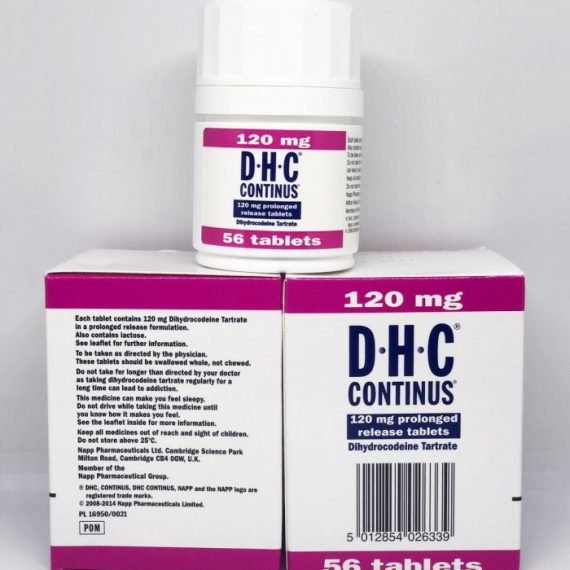
Dihydrocodeine Continus 120mg: Uses, Dosage and Safety Information in the UK
Dihydrocodeine Continus 120mg uses dosage UK is an important topic for people who want to understand this modified-release opioid medicine. Dihydrocodeine can help manage moderate to severe pain when a healthcare professional considers an opioid appropriate.
Because dihydrocodeine can cause dependence, drowsiness and serious breathing problems, patients should use it exactly as prescribed. Dihydrocodeine is available only on prescription in the UK.
For general information, see the NHS guide to dihydrocodeine.
What Is Dihydrocodeine Continus 120mg?
Dihydrocodeine is an opioid painkiller. It acts on opioid receptors in the central nervous system and reduces the way the brain and body perceive pain.
Dihydrocodeine Continus 120mg is a slow-release formulation. The medicine releases dihydrocodeine gradually, which provides longer-lasting pain relief than standard-release tablets.
The 120mg strength forms part of the range of slow-release dihydrocodeine tablets available for adults and children aged 12 years and over.
What Is Dihydrocodeine Used For?
Healthcare professionals may prescribe dihydrocodeine for moderate to severe pain. It can also be considered for longer-term pain when weaker painkillers have not provided enough relief.
Treatment may be considered for:
- Severe chronic pain
- Cancer-related pain
- Pain that has not responded adequately to weaker analgesics
- Certain situations requiring prolonged opioid pain relief
Your doctor will assess the cause of your pain before choosing the most appropriate treatment.
How Does Dihydrocodeine Work?
Dihydrocodeine acts on opioid receptors in the brain and central nervous system. Consequently, it reduces pain signals and changes how you experience pain.
The modified-release formulation releases the medicine gradually. Therefore, it can provide sustained pain relief over a longer period.
However, the same opioid effects can also cause drowsiness, constipation and respiratory depression. For this reason, careful prescribing and monitoring are important.
Dihydrocodeine Continus 120mg Uses and Dosage
Dihydrocodeine Continus 120mg uses dosage UK information should always be considered alongside your own prescription.
According to current NHS guidance, slow-release dihydrocodeine tablets are available in 60mg, 90mg and 120mg strengths. The usual dose for adults and children aged 12 years and over is one tablet every 12 hours.
However, this does not mean that 120mg is suitable for every patient. Doctors may start treatment at a lower strength and adjust the dose according to pain control, previous opioid use and individual circumstances.
Do not increase or reduce your prescribed dose without speaking to your doctor or pharmacist.
How to Take Dihydrocodeine Continus
Take Dihydrocodeine Continus exactly as directed by your healthcare professional.
For safe administration:
- Swallow the tablets whole with water.
- Do not crush or chew modified-release tablets.
- Follow the prescribed 12-hour dosing schedule.
- Do not take more than the prescribed amount.
- Do not share your medicine with another person.
- Follow your pharmacist’s advice about missed doses.
Swallowing the tablets whole helps preserve their modified-release properties. NHS guidance specifically advises patients to swallow dihydrocodeine tablets whole.
Possible Side Effects
Dihydrocodeine can cause side effects, particularly at higher strengths. Common effects include:
- Constipation
- Nausea or vomiting
- Drowsiness
- Dizziness
- Dry mouth
The NHS identifies constipation, nausea, vomiting and drowsiness among the common side effects of dihydrocodeine.
If side effects become severe or interfere with your daily activities, contact your doctor or pharmacist.
Serious Side Effects
Opioids can sometimes cause serious reactions, particularly after an excessive dose or when combined with other medicines that slow the nervous system.
Seek urgent medical attention if you experience:
- Severe difficulty breathing
- Extreme sleepiness
- Loss of consciousness
- Severe confusion
- A serious allergic reaction
Taking too much dihydrocodeine can cause severe drowsiness, breathing difficulties and unconsciousness.
Dihydrocodeine and Dependence
Dihydrocodeine can cause dependence and tolerance, particularly when someone takes it regularly for an extended period. Therefore, patients should use the lowest effective dose for the shortest appropriate duration under medical supervision.
If you have taken dihydrocodeine for more than a few weeks, do not stop suddenly without speaking to your doctor. A gradual dose reduction may help reduce withdrawal symptoms.
Possible withdrawal symptoms can include:
- Anxiety or restlessness
- Sweating
- Poor sleep
- Muscle aches
- Nausea
- Stomach pain
- Increased discomfort
Your doctor can advise whether a gradual reduction is appropriate.
Dihydrocodeine and Other Medicines
Some medicines can increase the sedative effects of dihydrocodeine. Therefore, tell your doctor or pharmacist about all the medicines, supplements and herbal remedies you take.
In particular, discuss:
- Sleeping tablets and tranquillisers
- Medicines for anxiety
- Some antidepressants
- Antihistamines that cause drowsiness
- Other opioid medicines
- Other medicines that affect the central nervous system
The NHS specifically advises patients to tell their doctor if they take sleeping pills, tranquillisers, medicines for anxiety, certain antidepressants or other medicines that may interact with dihydrocodeine.
For information about another prescription pain medicine available through MedTrust, see our Co-codamol 30/500mg information.
Dihydrocodeine and Alcohol
Alcohol can increase the sedative effects of opioid medicines. As a result, combining alcohol with dihydrocodeine can increase the risk of excessive drowsiness and other adverse effects.
Speak with your doctor or pharmacist about alcohol before starting treatment.
Dihydrocodeine and Driving
Dihydrocodeine can cause dizziness, drowsiness and reduced alertness. These effects may make driving or operating machinery unsafe.
Do not drive if the medicine makes you sleepy, dizzy or unable to concentrate properly.
For information about another prescription pain-relief option, you can also read our Codeine Phosphate 30mg information.
Storing Dihydrocodeine Continus 120mg
Proper storage helps protect the medicine and prevents accidental access.
Follow these storage guidelines:
- Store the medicine below 25°C.
- Keep the tablets in their original packaging.
- Protect the medicine from inappropriate storage conditions.
- Keep it out of the sight and reach of children.
- Do not give the medicine to another person.
- Return unwanted or unused medicine to a pharmacy for safe disposal.
The current UK product information for Dihydrocodeine 120mg prolonged-release tablets states that the medicine should not be stored above 25°C.
The NHS also recommends keeping dihydrocodeine safely stored and returning unused medicine to a pharmacy.
Dihydrocodeine Continus 120mg in the UK
Dihydrocodeine is a prescription-only opioid medicine in the UK. DHC Continus is one of the brand names used for dihydrocodeine, including slow-release formulations.
Patients should use the medicine only as prescribed and obtain treatment through appropriate healthcare channels.
For detailed professional information, see the Dihydrocodeine 120mg prolonged-release tablets SmPC.
When to Speak to a Healthcare Professional
Contact your doctor or pharmacist if:
- Your pain remains difficult to control.
- You experience troublesome side effects.
- You are worried about dependence.
- You think you may be taking too much medicine.
- You want to reduce or stop treatment.
- You are taking other medicines that may interact with dihydrocodeine.
If you take too much dihydrocodeine, seek urgent medical advice. Severe breathing difficulties or unconsciousness require emergency medical attention.
Frequently Asked Questions
How often is Dihydrocodeine Continus 120mg taken?
NHS guidance states that slow-release dihydrocodeine tablets, including the 120mg strength, are usually taken every 12 hours for adults and children aged 12 years and over. Your own prescription may differ, so follow your prescriber’s instructions.
Can I crush Dihydrocodeine Continus 120mg?
No. Modified-release tablets should be swallowed whole. Crushing or chewing the tablets can interfere with the intended release of the medicine.
Can Dihydrocodeine Continus cause dependence?
Yes. Regular use can lead to dependence and withdrawal symptoms. Therefore, do not stop treatment suddenly without medical advice.
What should I do if I miss a dose?
Do not take two doses together to make up for a missed dose. Check the leaflet supplied with your medicine or contact your pharmacist or doctor for advice.
Summary
Dihydrocodeine Continus 120mg is a slow-release opioid medicine that healthcare professionals may prescribe for moderate to severe pain. It provides prolonged pain relief and is normally taken at 12-hour intervals when prescribed in this formulation.
Because dihydrocodeine can cause dependence, drowsiness, constipation and potentially serious breathing problems, patients should follow their prescription carefully.
For reliable patient information, visit the NHS dihydrocodeine guide.




Reviews
There are no reviews yet.