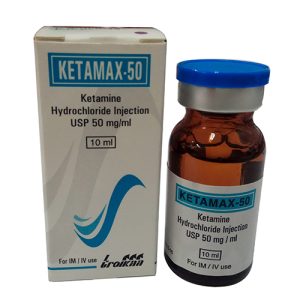

Ketamine HCL Powder UK: A Comprehensive Medical Guide
Ketamine hydrochloride (HCL) is a medicine with established uses in anaesthesia and specialist healthcare. In recent years, researchers have also studied ketamine-based treatments for conditions such as treatment-resistant depression and certain types of persistent pain.
However, ketamine requires careful medical supervision. Its effects, dosage and suitability vary considerably depending on the intended use. Patients should therefore discuss treatment options with a qualified healthcare professional rather than use ketamine without appropriate medical guidance.
What Is Ketamine HCL?
Ketamine HCL, or ketamine hydrochloride, is a dissociative anaesthetic. It primarily affects NMDA receptors in the central nervous system, producing anaesthetic and analgesic effects.
Healthcare professionals use ketamine in controlled clinical environments. Depending on the medical situation, they may use it as part of anaesthesia or for specific pain-management purposes.
Researchers have also investigated ketamine for treatment-resistant depression. However, this does not mean that pharmaceutical ketamine is suitable for self-treatment. Specialist assessment remains important before considering any ketamine-based therapy.
For reliable information about medicines and their regulation, patients can consult the Medicines and Healthcare products Regulatory Agency (MHRA).
Potential Medical Applications of Ketamine
Anaesthesia
Ketamine has a long history of use as an anaesthetic. Its properties can help healthcare professionals provide anaesthesia during certain medical procedures.
Pain Management
Ketamine can also have analgesic properties. In specialist settings, clinicians may consider it for particular pain-management situations when conventional approaches do not provide adequate relief.
Because ketamine can affect consciousness and the nervous system, healthcare professionals must determine whether its potential benefits outweigh its risks for each patient.
If you’re researching other prescription pain medicines, you can browse our pain-relief and analgesic products for additional medication information.
Specialist Mental Health Treatment
Researchers have studied ketamine for treatment-resistant depression because some patients may experience relatively rapid changes in depressive symptoms following medically supervised treatment.
Ketamine-based mental-health treatment differs from recreational or unsupervised ketamine use. Specialist services assess patients carefully and monitor treatment to reduce potential risks.
Patients should speak with a qualified healthcare professional about established treatment options before considering ketamine therapy.
How Does Ketamine Work?
Ketamine primarily interacts with NMDA receptors, which form part of the brain’s glutamate signalling system. By altering this signalling pathway, ketamine can produce dissociative, analgesic and anaesthetic effects.
The medicine can also affect other neurological systems. As a result, patients may experience changes in perception, coordination, alertness and awareness.
These effects explain why medical professionals administer ketamine carefully and monitor patients when they use it clinically.
Safety Considerations
Ketamine is not an ordinary over-the-counter medicine. Its effects can vary depending on the dose, route of administration, medical condition and other medicines a person takes.
Possible effects can include:
- Drowsiness or reduced alertness
- Dizziness
- Nausea or vomiting
- Changes in perception
- Increased heart rate or blood pressure
- Confusion or disorientation
More serious reactions can occur in some circumstances. Therefore, patients should seek professional medical advice before treatment and report unexpected or severe symptoms promptly.
Ketamine can also interact with other substances that affect the central nervous system. Combining medicines without professional guidance can increase the risk of harmful effects.
Why Medical Supervision Matters
The appropriate use of ketamine depends on the patient’s medical history and the reason for treatment. A healthcare professional can assess potential interactions, contraindications and monitoring requirements before treatment begins.
Patients should not attempt to measure, prepare or administer ketamine HCL powder themselves. Pharmaceutical medicines should come from legitimate, regulated channels and should only be used according to professional instructions.
For additional information about safe medicine use, you can also explore our medication and healthcare products.
Ketamine Treatment in the UK
Access to ketamine in the UK depends on the medicine, its intended use and the clinical circumstances. Some uses occur within hospitals or specialist services, while other applications may require assessment by an appropriate healthcare professional.
Anyone considering ketamine treatment should discuss their symptoms and medical history with a qualified clinician. The clinician can then determine whether ketamine is appropriate or whether another treatment would offer a better option.
The NHS provides general information about healthcare services and treatment pathways in the UK.
Frequently Asked Questions
Is Ketamine HCL a prescription medicine?
Ketamine is a controlled medicine that requires appropriate medical oversight. Patients should obtain and use it through legitimate healthcare channels.
Can ketamine treat depression?
Researchers have investigated ketamine for treatment-resistant depression, and specialist clinicians may consider ketamine-based treatment in appropriate circumstances. However, patients should not self-medicate with ketamine for depression.
Is Ketamine HCL Powder safe?
Safety depends on the formulation, dose, route of administration, medical condition and supervision. Unsupervised use can carry significant risks, so pharmaceutical ketamine should only be used according to professional medical advice.
Can ketamine be used for pain?
Ketamine has analgesic properties and may have a role in specialist pain management. A clinician should determine whether it is appropriate for an individual patient.
Conclusion
Ketamine HCL is an established medical anaesthetic with additional applications that healthcare professionals and researchers continue to evaluate. Its effects on the nervous system can make it useful in carefully selected clinical situations, including certain forms of anaesthesia, specialist pain management and some treatment-resistant mental-health conditions.
At the same time, ketamine requires responsible medical supervision. Patients should avoid unsupervised use and obtain professional advice before considering ketamine-based treatment.
For further information about prescription medicines and related healthcare products, visit our MedTrust product collection.