
Percocet 30mg UK: Uses, Ingredients, Safety and Important Information
Percocet is a prescription pain-relief medicine containing oxycodone and acetaminophen (paracetamol). Oxycodone belongs to the opioid family and can provide strong analgesic effects for moderate to severe pain when a healthcare professional considers opioid treatment appropriate.
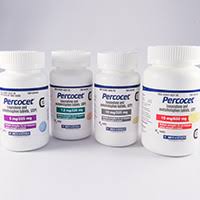
However, it is important to verify the exact strength and formulation of any product described as Percocet 30mg. Current official US Percocet prescribing information lists oxycodone/acetaminophen strengths up to 10mg/325mg, rather than a standard 30mg Percocet tablet.
In the UK, oxycodone is a controlled drug. Therefore, patients should use oxycodone-containing medicines only under appropriate medical supervision and according to their prescription.
What Is Percocet?
Percocet is a combination medicine containing oxycodone hydrochloride and acetaminophen, known as paracetamol in the UK.
Oxycodone acts on opioid receptors in the central nervous system. As a result, it changes how the brain and nervous system perceive and respond to pain. Acetaminophen, or paracetamol, provides additional analgesic and antipyretic effects.
The combination can therefore provide stronger pain relief than either ingredient alone in appropriate clinical circumstances. Official prescribing information describes oxycodone/acetaminophen tablets as medicines for the relief of moderate to moderately severe pain.
Percocet 30mg: Understanding the Strength
The term Percocet 30mg requires particular care because the number may refer to a product description rather than an established Percocet tablet strength.
Current official Percocet labelling lists these tablet strengths:
- 2.5mg oxycodone / 325mg acetaminophen
- 5mg oxycodone / 325mg acetaminophen
- 7.5mg oxycodone / 325mg acetaminophen
- 10mg oxycodone / 325mg acetaminophen
The current product information does not list a standard 30mg Percocet tablet.
For this reason, patients should check the packaging, active ingredients and exact strength before taking an oxycodone-containing medicine.
What Is Percocet Used For?
Healthcare professionals may prescribe oxycodone/acetaminophen combinations for moderate to severe pain when other treatment options do not provide adequate relief.
Depending on the patient’s circumstances, opioid treatment may be considered for conditions such as:
- Acute moderate to severe pain
- Certain types of post-operative pain
- Severe pain associated with particular medical conditions
- Pain where an opioid analgesic forms part of an appropriate treatment plan
The suitability of treatment depends on the individual’s medical history, previous opioid exposure, other medicines and the cause and severity of the pain.
How Does Percocet Work?
Percocet combines two analgesic ingredients with different mechanisms of action.
Oxycodone activates opioid receptors in the central nervous system. This reduces the perception and emotional response to pain.
Acetaminophen (paracetamol) provides additional pain-relieving effects. However, taking additional paracetamol-containing medicines can increase the total daily amount and may raise the risk of liver injury.
Therefore, always check the ingredients of other medicines before taking them alongside an oxycodone/acetaminophen product. Official product information warns about potentially serious liver injury from excessive acetaminophen exposure.
How to Take Percocet Safely
Take an oxycodone/acetaminophen medicine only according to the instructions provided by your prescriber or pharmacist.
Do not:
- Take more than the prescribed amount.
- Change your dose without medical advice.
- Take another medicine containing paracetamol without checking first.
- Share your medicine with another person.
- Crush or alter tablets unless your pharmacist or prescriber specifically tells you to do so.
- Combine the medicine with alcohol or other sedating medicines without medical advice.
Because oxycodone can cause significant sedation and respiratory depression, careful dosing is particularly important. The official Percocet information also warns about serious risks when opioids are combined with benzodiazepines or other central nervous system depressants.
Possible Side Effects
Like other opioid medicines, oxycodone/acetaminophen can cause side effects.
Common effects may include:
- Drowsiness
- Dizziness
- Nausea
- Vomiting
- Constipation
- Sleepiness
Some side effects may become more noticeable when treatment begins or when the dose changes.
If side effects become severe or interfere with your normal activities, speak with your doctor or pharmacist.
Serious Side Effects and Warning Signs
Oxycodone can cause potentially serious breathing problems, particularly when someone takes more than prescribed or combines it with other medicines that cause sedation.
Seek urgent medical attention if someone develops:
- Slow or difficult breathing
- Severe or unusual sleepiness
- Difficulty staying awake
- Loss of consciousness
- Severe confusion
- Signs of a serious allergic reaction
The risk can increase when opioids are combined with benzodiazepines, alcohol or other central nervous system depressants.
Percocet and Paracetamol Safety
One important consideration with Percocet is its acetaminophen component. In the UK, acetaminophen is generally known as paracetamol.
Do not automatically take additional paracetamol while using an oxycodone/paracetamol combination. Check the product ingredients first and follow your healthcare professional’s instructions.
Excessive acetaminophen exposure can cause serious liver injury. Official prescribing information specifically warns that liver failure has occurred when acetaminophen doses exceed recommended limits, particularly when people unknowingly combine multiple acetaminophen-containing products.
Percocet, Dependence and Withdrawal
Oxycodone is an opioid, so repeated use can result in tolerance, physical dependence and addiction.
Physical dependence means that the body can become accustomed to the medicine. Consequently, suddenly stopping regular treatment can cause withdrawal symptoms.
If you have been taking an opioid regularly, speak with your prescriber before stopping treatment. Your healthcare professional can advise whether the dose should be reduced gradually.
Percocet and Other Medicines
Always tell your doctor or pharmacist about all medicines you take.
Particular care may be necessary when oxycodone is combined with:
- Benzodiazepines
- Sleeping medicines
- Other opioid medicines
- Sedating antihistamines
- Alcohol
- Other medicines that depress the central nervous system
Combining opioids with benzodiazepines or other CNS depressants can increase sedation and the risk of respiratory depression.
If you are researching other prescription pain-relief options, you can also explore the MedTrust medicine collection for related products and treatment information.
Percocet and Driving
Oxycodone can cause drowsiness, dizziness and reduced alertness. These effects can make driving or operating machinery unsafe.
Do not drive if the medicine makes you sleepy, dizzy, confused or otherwise impaired. Follow the advice provided by your healthcare professional and the product information.
Percocet in the UK
Oxycodone is listed as a Class A controlled drug under the UK’s controlled-drug legislation.
This means patients should obtain and use oxycodone-containing medicines through appropriate medical and pharmaceutical channels.
If you are prescribed a controlled medicine, keep it securely stored and never give it to another person. UK government guidance also provides specific requirements for travelling with controlled medicines.
For patients comparing prescription pain-relief medicines, you can browse the MedTrust shop to see the wider range of products available on the website.
Frequently Asked Questions
Is Percocet 30mg a standard strength?
The exact product strength should be checked carefully. Current official Percocet labelling lists 2.5mg/325mg, 5mg/325mg, 7.5mg/325mg and 10mg/325mg strengths. It does not list a standard 30mg Percocet tablet.
What does Percocet contain?
Percocet contains oxycodone hydrochloride and acetaminophen. In the UK, acetaminophen is commonly called paracetamol.
Can Percocet cause dependence?
Yes. Oxycodone is an opioid and can cause tolerance and physical dependence with repeated use. Use it only as prescribed and speak with your healthcare professional before changing or stopping regular treatment.
Can I take paracetamol with Percocet?
Check with your doctor or pharmacist first. Percocet already contains acetaminophen/paracetamol, so taking additional paracetamol can increase your total exposure and may increase the risk of liver injury.
Can I drink alcohol while taking Percocet?
Alcohol can increase the sedative effects of opioid medicines. Combining alcohol with oxycodone can therefore increase safety risks. Discuss alcohol use with your healthcare professional.
Summary
Percocet is an oxycodone/acetaminophen combination used for the management of moderate to severe pain. Oxycodone provides opioid analgesia, while acetaminophen provides additional pain-relieving effects.
However, the term Percocet 30mg should be verified carefully because current official Percocet information does not list a standard 30mg tablet strength.
Because oxycodone is a controlled drug in the UK and can cause dependence, sedation and potentially serious breathing problems, patients should use oxycodone-containing medicines only according to professional medical advice.


Reviews
There are no reviews yet.