


Dihydrocodeine 30mg UK: Uses, Benefits and Safety Information
Dihydrocodeine 30mg is an opioid painkiller prescribed in the UK to help manage moderate to severe pain, particularly when other painkillers have not provided sufficient relief. It works by reducing the transmission of pain signals between the brain and central nervous system.
In the UK, dihydrocodeine is available only on prescription. The NHS lists standard 30mg tablets among the available formulations and advises patients to follow their doctor’s instructions carefully because dihydrocodeine can cause dependence. NHS guidance on dihydrocodeine provides further information about its uses, precautions and treatment considerations.
What Is Dihydrocodeine 30mg?
Dihydrocodeine is a semi-synthetic opioid analgesic used to relieve moderate to severe pain. It belongs to the opioid family and works primarily by acting on the central nervous system, changing the way the body perceives and responds to painful sensations.
A 30mg tablet is one of the standard tablet strengths available in the UK. According to the NHS, standard dihydrocodeine tablets are available in 30mg and 40mg strengths, while slow-release formulations are available in higher strengths.
Dihydrocodeine may be prescribed for pain following an operation or serious injury. It may also be considered for longer-term pain when medicines such as paracetamol, ibuprofen or aspirin have not provided adequate relief.
Key Features of Dihydrocodeine 30mg
Prescription Opioid Pain Relief
Dihydrocodeine is a prescription medicine used when additional pain relief is required. It is generally considered after simpler painkillers have not adequately controlled the symptoms.
Standard 30mg Tablet Strength
The 30mg formulation provides a standard-strength option for patients who have been prescribed dihydrocodeine by a healthcare professional. The appropriate dose depends on the individual’s condition, medical history and response to treatment.
Used for Moderate to Severe Pain
Dihydrocodeine may be prescribed for several types of pain, including pain following surgery or significant injury. The NHS describes it as an opioid painkiller for moderate to severe pain.
Different Formulations Available
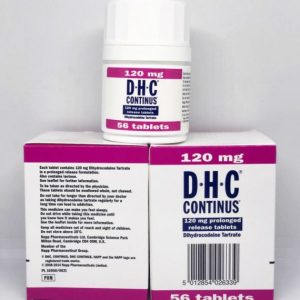
Dihydrocodeine is available in the UK in standard tablets, slow-release tablets and oral liquid. Slow-release formulations are designed differently from standard tablets and should be used according to the specific instructions supplied with the prescription.
How Dihydrocodeine 30mg Works
Dihydrocodeine works by interacting with opioid receptors involved in the body’s processing of pain. This reduces the perception and emotional response to pain.
Standard tablets do not necessarily provide instant relief. NHS guidance states that standard dihydrocodeine tablets can take approximately 1.5 to 2 hours to work fully, although individual experiences can vary.
Because dihydrocodeine affects the central nervous system, it can also cause drowsiness, dizziness and other effects that may affect alertness.
How to Take Dihydrocodeine 30mg
Dihydrocodeine should always be taken according to the instructions provided by your prescriber or pharmacist.
For standard 30mg tablets, NHS guidance states that adults and children aged 12 and over are usually prescribed one 30mg tablet every 4 to 6 hours when appropriate, with a stated maximum of six 30mg tablets in 24 hours. However, your individual prescription takes priority, and you should never change the dose without medical advice.
Swallow tablets with water. Taking them with or shortly after food may help reduce feelings of sickness. Do not take additional doses simply because pain relief has not yet reached its full effect.
If you have been taking dihydrocodeine regularly for several weeks, do not stop suddenly without speaking with your doctor. Sudden discontinuation can result in withdrawal symptoms, and your healthcare professional may recommend gradually reducing the dose.
Dihydrocodeine 30mg Side Effects
Like other opioid medicines, dihydrocodeine can cause side effects. Common effects include:
- Constipation
- Nausea or vomiting
- Drowsiness
- Dizziness
- Confusion or vertigo
- Dry mouth
- Headache
The NHS notes that some side effects are more likely with higher strengths of dihydrocodeine.
Serious Side Effects
Seek urgent medical assistance if you experience serious symptoms such as difficulty breathing, short or shallow breathing, a seizure or loss of consciousness. Severe allergic reactions can also require emergency treatment.
If you suspect that you have taken too much dihydrocodeine, seek urgent medical advice. An overdose can cause extreme sleepiness, dizziness, breathing difficulties or unconsciousness.
Dependence and Long-Term Use
One of the most important considerations with dihydrocodeine is the possibility of tolerance, dependence and addiction.
With prolonged use, the body can become accustomed to the medicine. Some people may subsequently require a carefully managed dose reduction rather than stopping treatment abruptly. The NHS recommends discussing concerns about dependence with a doctor and having treatment reviewed when necessary.
This is one reason dihydrocodeine should be used at the prescribed dose and for the period recommended by the healthcare professional.
Dihydrocodeine and Other Medicines
Tell your doctor or pharmacist about all medicines you take before starting dihydrocodeine.
Particular caution may be required with medicines such as:
- Sleeping tablets and tranquillisers
- Medicines used for anxiety
- Some medicines for depression or other mental health conditions
- Antihistamines
- Certain medicines used to control nausea
Some combinations can increase drowsiness or other adverse effects.
Dihydrocodeine can generally be used alongside some common painkillers, but patients should follow professional advice. Importantly, medicines containing codeine should not be combined with dihydrocodeine unless specifically advised by a healthcare professional because this can increase the risk of side effects.
Alcohol and Driving
Alcohol can increase the sedating effects of dihydrocodeine. The NHS advises avoiding alcohol, particularly when starting treatment or after a dose increase, until you understand how the medicine affects you.
You should also avoid driving or operating machinery if dihydrocodeine makes you sleepy, dizzy, clumsy or unable to concentrate.
Who May Need Extra Medical Advice?
Dihydrocodeine may not be suitable for everyone. Before treatment, tell your doctor or pharmacist if you have conditions such as:
- Breathing difficulties or asthma
- Liver or kidney problems
- A history of addiction
- Certain stomach or bowel conditions
- A head injury or seizure disorder
- Hypothyroidism
- Myasthenia gravis
Pregnancy and breastfeeding should also be discussed with a healthcare professional before treatment.
Dihydrocodeine 30mg in the UK
Dihydrocodeine 30mg is a prescription-only medicine in the UK. It should be obtained and used through appropriate medical and pharmacy channels rather than from unverified sellers.
For reliable patient information, the NHS provides guidance covering how dihydrocodeine works, who can take it, dosage considerations, interactions and side effects.
You can also consult the NHS medicines information for current patient guidance and safety information.
Frequently Asked Questions
What is Dihydrocodeine 30mg used for?
Dihydrocodeine 30mg is used to relieve moderate to severe pain when other painkillers have not provided adequate relief.
Is Dihydrocodeine 30mg prescription-only in the UK?
Yes. Dihydrocodeine is available only on prescription in the UK.
How long does Dihydrocodeine 30mg take to work?
Standard tablets can take approximately 1.5 to 2 hours to work fully, according to NHS information.
Can Dihydrocodeine cause dependence?
Yes. Like other opioid medicines, dihydrocodeine can lead to tolerance, dependence and addiction, particularly with prolonged or inappropriate use.
What are the most common side effects?
Common side effects include constipation, nausea, vomiting, drowsiness and dizziness.
Can I stop Dihydrocodeine suddenly?
If you have taken it regularly for more than a few weeks, you should speak with your doctor before stopping. A gradual reduction may be recommended to reduce withdrawal symptoms.
Final Thoughts
Dihydrocodeine 30mg is an established prescription opioid used for moderate to severe pain in the UK. Its effectiveness needs to be balanced against important considerations such as drowsiness, constipation, drug interactions, dependence and the risk of serious breathing problems.
For these reasons, treatment should always follow an individual prescription and professional medical advice. Patients should read the supplied medicine information and speak with a doctor or pharmacist if they have questions about dosage, interactions, side effects or stopping treatment.
Useful external references: NHS – Dihydrocodeine | NHS – How and when to take dihydrocodeine | NHS – Side effects of dihydrocodeine




Reviews
There are no reviews yet.