
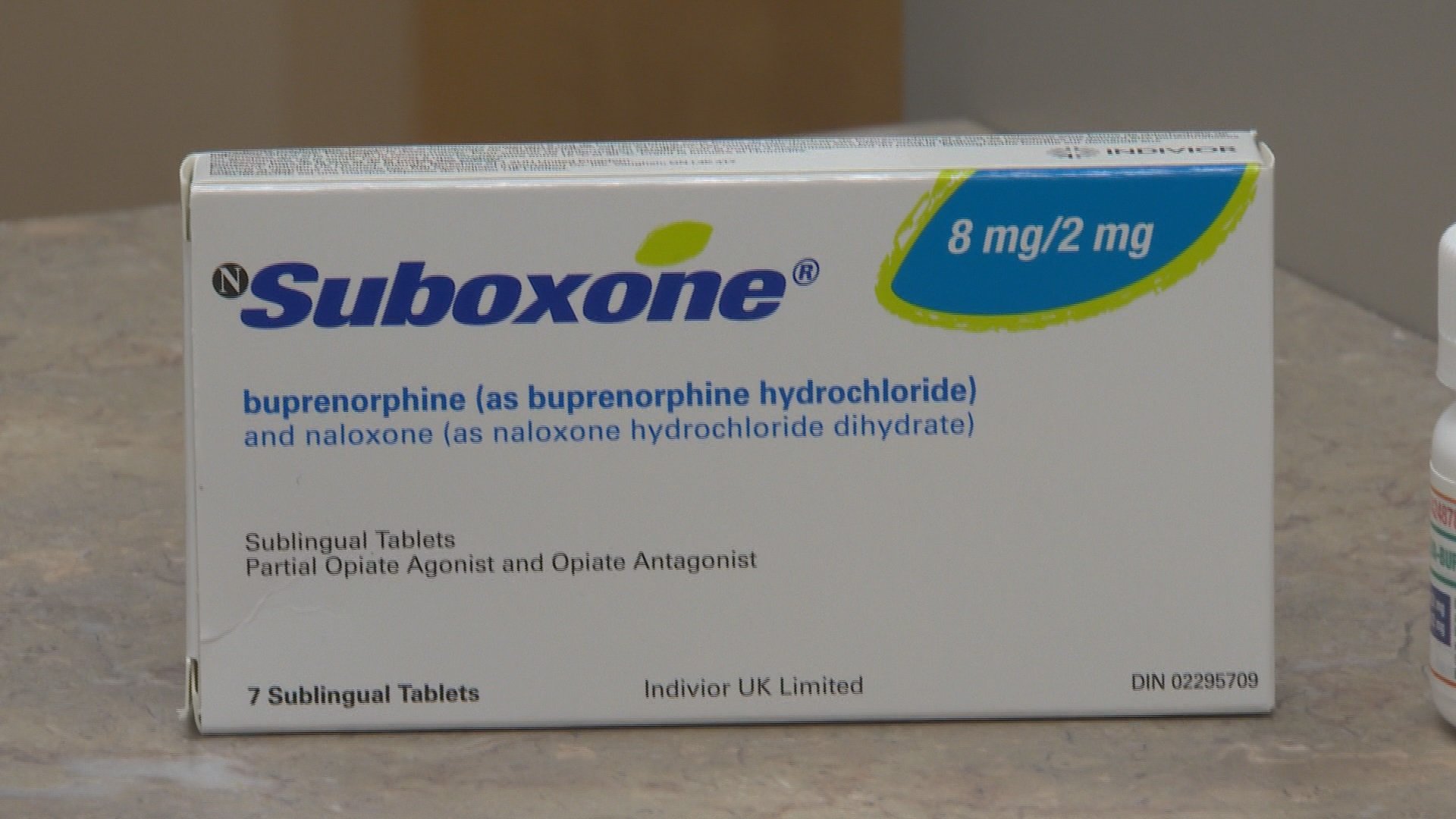
Suboxone 8mg/2mg UK: Uses, Dosage and Safety Information
Suboxone 8mg/2mg UK contains two active ingredients: buprenorphine and naloxone. Healthcare professionals use this combination as part of medically supervised treatment for opioid dependence.
Each Suboxone 8mg/2mg sublingual tablet contains 8mg of buprenorphine and 2mg of naloxone. The medicine is placed under the tongue, where it dissolves and allows the active ingredients to enter the bloodstream.
Because Suboxone affects the opioid system, patients should use it only according to their prescribed treatment plan. In addition, treatment should form part of an appropriate medical, psychological and social support programme.
What Is Suboxone 8mg/2mg?
Suboxone combines buprenorphine, a partial opioid agonist, with naloxone, an opioid antagonist.
Buprenorphine acts on the same opioid receptors that other opioids affect. However, it produces a different response from full opioid agonists. This action can help reduce opioid withdrawal symptoms and cravings during treatment.
Naloxone has a different role. It helps reduce the potential for misuse of the medicine, particularly when someone attempts to use it by an unintended route.
Suboxone 8mg/2mg is supplied as a sublingual tablet. The current UK patient information identifies the 8mg/2mg strength and describes the tablet as a white, hexagonal, biconvex tablet marked “N8”.
What Is Suboxone Used For?
Healthcare professionals use Suboxone as part of treatment for opioid dependence.
The treatment aims to reduce withdrawal symptoms and cravings while supporting a structured recovery programme. Consequently, Suboxone does not simply replace one medicine with another without supervision. Instead, clinicians use it as part of a broader treatment approach.
UK NHS guidance includes buprenorphine and naloxone, marketed as Suboxone, among medicines used in opioid-dependence treatment.
Treatment may include:
- Medical assessment
- Medication-assisted treatment
- Psychological support
- Social support
- Regular clinical monitoring
- Ongoing assessment of treatment progress
For this reason, patients should follow the treatment plan established by their healthcare professional.
How Does Suboxone Work?
Suboxone works through the combined effects of buprenorphine and naloxone.
Buprenorphine
Buprenorphine partially activates opioid receptors. Therefore, it can reduce withdrawal symptoms and opioid cravings without producing the same degree of opioid-receptor activation associated with full opioid agonists.
Naloxone
Naloxone blocks opioid receptors. When a person takes Suboxone correctly under the tongue, the naloxone component has relatively limited systemic effect compared with buprenorphine.
However, the naloxone component can reduce the attractiveness of misuse by injection.
Together, these ingredients provide a treatment option for people receiving structured care for opioid dependence.
Suboxone 8mg/2mg Dosage
The appropriate Suboxone dose varies between patients.
Doctors consider factors such as:
- Previous opioid use
- Current withdrawal symptoms
- Previous treatment
- Response to buprenorphine
- Other medicines
- Overall health
- Treatment progress
Therefore, patients should not decide their own Suboxone dose.
The 8mg/2mg strength does not mean that every patient should take one tablet daily. Instead, a healthcare professional determines the appropriate regimen and adjusts treatment according to the patient’s clinical response.
Do not increase, decrease or stop your dose without medical advice.
How to Take Suboxone
Suboxone sublingual tablets are placed under the tongue and allowed to dissolve.
Follow the instructions provided by your prescriber or pharmacist.
In particular:
- Place the tablet under the tongue as instructed.
- Allow it to dissolve rather than chewing it.
- Do not swallow it whole unless your healthcare professional gives different instructions.
- Take the medicine according to your prescribed schedule.
- Do not give your medicine to another person.
- Do not change your dose without medical advice.
The product information identifies Suboxone 8mg/2mg as a sublingual tablet.
Starting Suboxone Treatment
Starting buprenorphine-containing treatment requires careful medical assessment.
Buprenorphine can cause precipitated withdrawal if treatment begins while significant amounts of another opioid remain active in the body. Therefore, clinicians consider the type of opioid used, the time since the last dose and the presence of objective withdrawal symptoms before starting treatment.
For this reason, patients should not attempt to determine their own induction schedule.
A doctor or specialist addiction-treatment service should supervise the start of treatment.
Suboxone Side Effects
Like all medicines, Suboxone can cause side effects.
Possible effects include:
- Headache
- Nausea
- Vomiting
- Sweating
- Constipation
- Dizziness
- Drowsiness
- Sleep difficulties
The likelihood and severity of side effects can vary between individuals.
Furthermore, other medicines and substances can increase sedation or other risks. Tell your doctor or pharmacist about everything you take, including prescribed medicines, over-the-counter products and recreational substances.
Serious Side Effects
Suboxone can cause serious problems in some circumstances.
Seek urgent medical attention if you experience:
- Severe difficulty breathing
- Loss of consciousness
- Severe drowsiness
- A serious allergic reaction
- Severe confusion
- Symptoms suggesting an overdose
Buprenorphine can cause respiratory depression, particularly when someone combines it with other central nervous system depressants.
If you suspect an overdose, seek emergency medical assistance immediately.
Suboxone and Alcohol
Avoid alcohol unless your healthcare professional specifically advises otherwise.
Alcohol can increase central nervous system depression. As a result, combining alcohol with Suboxone can increase drowsiness and potentially serious breathing problems.
For this reason, discuss alcohol use honestly with your treatment team.
Suboxone and Other Medicines
Some medicines can interact with Suboxone.
In particular, tell your doctor if you use:
- Other opioid medicines
- Sedatives
- Sleeping medicines
- Benzodiazepines
- Certain antidepressants
- Medicines that affect the liver
- Other medicines that cause drowsiness
The combination of opioids with sedative medicines can increase the risk of respiratory depression.
Therefore, never add another sedating medicine to your treatment without first discussing it with your healthcare professional.
For general information about another medicine available through MedTrust, you can read our Co-codamol 30/500mg information.
Dependence and Withdrawal
Although Suboxone forms part of treatment for opioid dependence, buprenorphine itself can produce physical dependence.
Repeated use can therefore lead to withdrawal symptoms if treatment stops abruptly.
Possible withdrawal symptoms include:
- Anxiety
- Restlessness
- Sleep difficulties
- Sweating
- Muscle aches
- Nausea
- Abdominal discomfort
Consequently, patients should not stop Suboxone suddenly unless their healthcare professional instructs them to do so.
A clinician can gradually reduce treatment when appropriate.
Suboxone and Driving
Suboxone can affect alertness, particularly when treatment begins or when the dose changes.
Do not drive or operate machinery if you feel:
- Sleepy
- Dizzy
- Confused
- Light-headed
- Unable to concentrate properly
Your healthcare professional can advise you about driving and other activities that require full alertness.
Suboxone During Pregnancy and Breastfeeding
Tell your doctor if you are pregnant, planning a pregnancy or breastfeeding.
Your healthcare professional can assess the benefits and risks of continuing opioid-dependence treatment during pregnancy.
Do not stop Suboxone suddenly because you are pregnant without speaking with your treatment team. Abruptly stopping opioid-dependence treatment can create risks for both the patient and pregnancy.
Who Needs Extra Caution With Suboxone?
Your doctor needs to know about your medical history before prescribing Suboxone.
Tell your healthcare professional if you have:
- Liver problems
- Breathing problems
- Sleep apnoea
- Recent head injury
- Problems with alcohol or sedative medicines
- Other medical conditions
- A history of allergic reactions to medicines
Your doctor can then decide whether Suboxone remains appropriate and determine the safest treatment plan.
Suboxone 8mg/2mg in the UK
Suboxone 8mg/2mg is a recognised formulation of buprenorphine and naloxone used in opioid-dependence treatment. UK clinical guidance includes Suboxone 8mg/2mg sublingual tablets among treatment options for opioid dependence.
The product information identifies Indivior UK Limited as the marketing authorisation holder for Suboxone in the referenced UK product documentation.
However, opioid-dependence treatment requires appropriate clinical supervision. Patients should obtain treatment through regulated healthcare services and follow their prescriber’s instructions.
You can also browse the MedTrust product range for other medicines and healthcare products.
Suboxone 8mg/2mg Product Specifications
| Specification | Details |
|---|---|
| Brand | Suboxone |
| Strength | 8mg/2mg |
| Active ingredients | Buprenorphine 8mg + naloxone 2mg |
| Dosage form | Sublingual tablet |
| Route | Sublingual |
| Main therapeutic use | Opioid dependence treatment |
| Medicine type | Buprenorphine/naloxone combination |
| UK clinical use | Used within supervised opioid-dependence treatment |
The current Suboxone patient information confirms the 8mg/2mg strength and sublingual tablet formulation.
Frequently Asked Questions
What is Suboxone 8mg/2mg?
Suboxone 8mg/2mg is a sublingual medicine containing 8mg of buprenorphine and 2mg of naloxone. Healthcare professionals use it as part of treatment for opioid dependence.
What does Suboxone contain?
Each 8mg/2mg sublingual tablet contains 8mg of buprenorphine and 2mg of naloxone.
How is Suboxone taken?
Patients place the tablet under the tongue and allow it to dissolve. Always follow the administration instructions provided by your prescriber.
Can Suboxone cause dependence?
Yes. Buprenorphine can cause physical dependence with repeated use. Therefore, patients should not stop treatment suddenly without medical advice.
Can I drink alcohol while taking Suboxone?
It is safest to avoid alcohol because it can increase sedation and other risks. Discuss alcohol use with your healthcare professional.
Can Suboxone be taken with benzodiazepines?
The combination requires particular caution because both medicines can depress the central nervous system. Tell your doctor if you take diazepam, temazepam or another benzodiazepine.
Can I drive while taking Suboxone?
Suboxone may affect alertness, particularly when treatment starts or the dose changes. Do not drive if the medicine makes you sleepy, dizzy or otherwise impaired.
What should I do if I miss a dose?
Follow the instructions from your treatment provider. Do not automatically take an extra dose to compensate for a missed dose.
Summary
Suboxone 8mg/2mg contains buprenorphine and naloxone and forms part of medically supervised treatment for opioid dependence.
The 8mg/2mg strength contains 8mg of buprenorphine and 2mg of naloxone in a sublingual tablet.
Because buprenorphine affects opioid receptors and can cause dependence, patients should use Suboxone according to their prescribed treatment plan. In addition, they should avoid combining it with alcohol or other sedating medicines unless their healthcare professional has advised them to do so.
For further information, consult your prescriber, pharmacist or the official product information.



Reviews
There are no reviews yet.